Bike types · updated
Every type of bike, explained
Ten kinds of bike, what they're good at, and what a good one costs. Pick the one that sounds like you — or let the quiz decide.
Bike types compared
| Type | Best for | Entry-level | Mid-range | Performance |
|---|---|---|---|---|
| Road bikes | Fitness riding and training on tarmac | under €/$1,000 | €/$1,000–3,000 | €/$3,000+ |
| Gravel bikes | Mixed rides on tarmac, gravel roads and forest paths | under €/$1,100 | €/$1,100–3,000 | €/$3,000+ |
| Hardtail mountain bikes | Forest roads, fire roads and flowing trails | under €/$900 | €/$900–2,500 | €/$2,500+ |
| Full-suspension mountain bikes | Singletrack with roots, rocks and drops | under €/$2,000 | €/$2,000–4,500 | €/$4,500+ |
| Enduro bikes | Bike parks, steep alpine trails and big descents | under €/$2,500 | €/$2,500–5,000 | €/$5,000+ |
| Hybrid bikes | Getting fit and riding for fun | under €/$700 | €/$700–1,500 | €/$1,500+ |
| City bikes | Daily commuting in normal clothes | under €/$700 | €/$700–1,500 | €/$1,500+ |
| Touring bikes | Multi-day and multi-week trips with panniers | under €/$1,000 | €/$1,000–2,500 | €/$2,500+ |
| Folding bikes | Commuters who combine cycling with trains or buses | under €/$900 | €/$900–2,200 | €/$2,200+ |
| Cargo bikes | School runs with one to three kids | under €/$1,500 | €/$1,500–3,000 | €/$3,000+ |
Pick a bike type
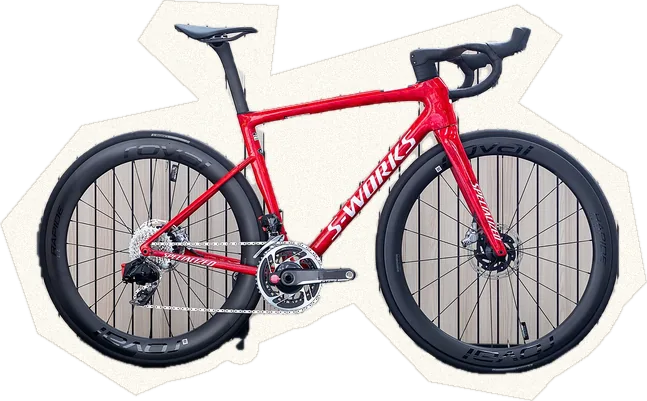
Road bikes
Drop bars, skinny tyres, pure speed. Made for tarmac, long rides and chasing your mates.
22 models →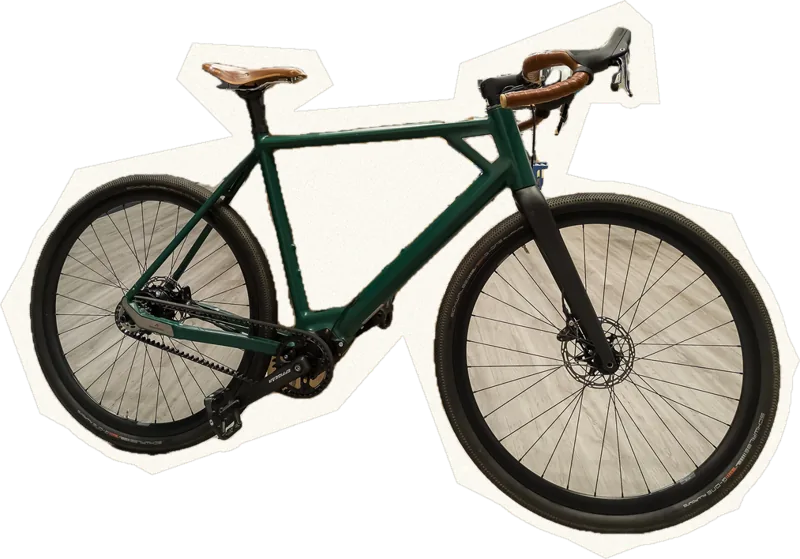
Gravel bikes
A road bike that skipped leg day and went off-road. Fast on tarmac, happy on dirt, begs for adventures.
34 models →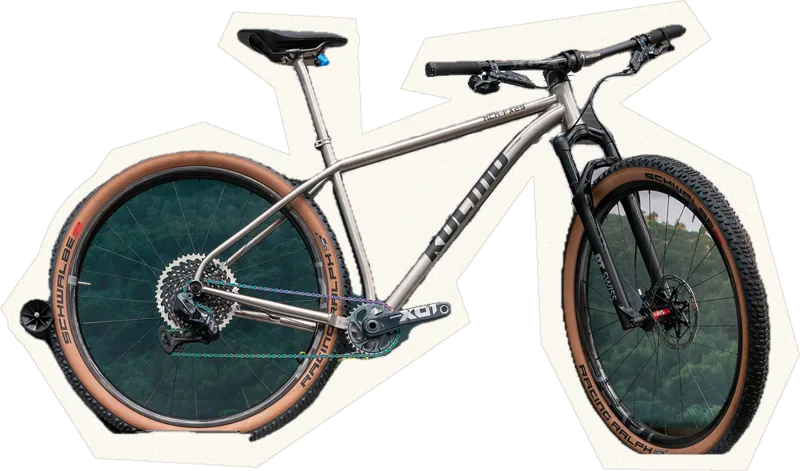
Hardtail mountain bikes
Front suspension, flat bars, knobbly tyres. Simple, light and at home on forest tracks.
27 models →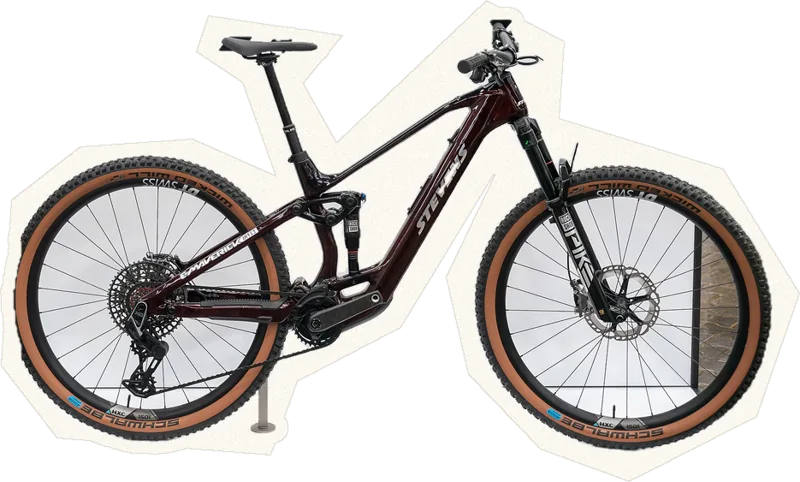
Full-suspension mountain bikes
Suspension front and back for rooty, rocky singletrack. Climbs fine, descends with a big grin.
27 models →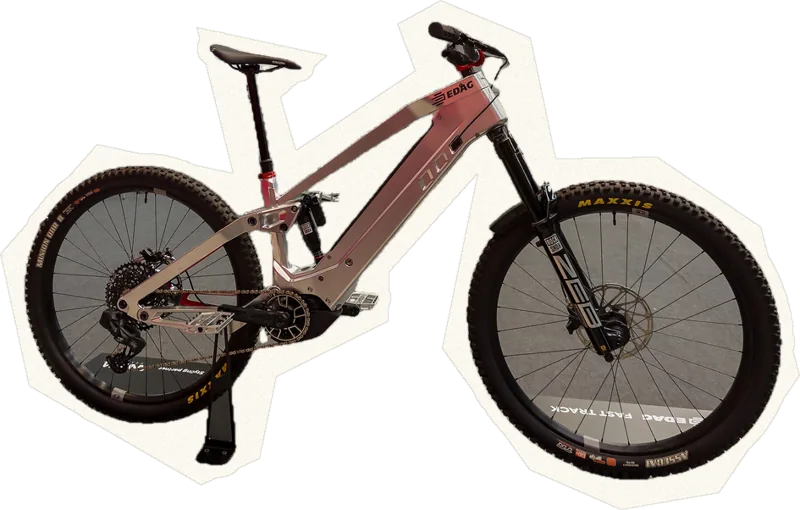
Enduro bikes
Long travel, slack angles, zero fear. Built for steep, fast and rowdy descents.
14 models →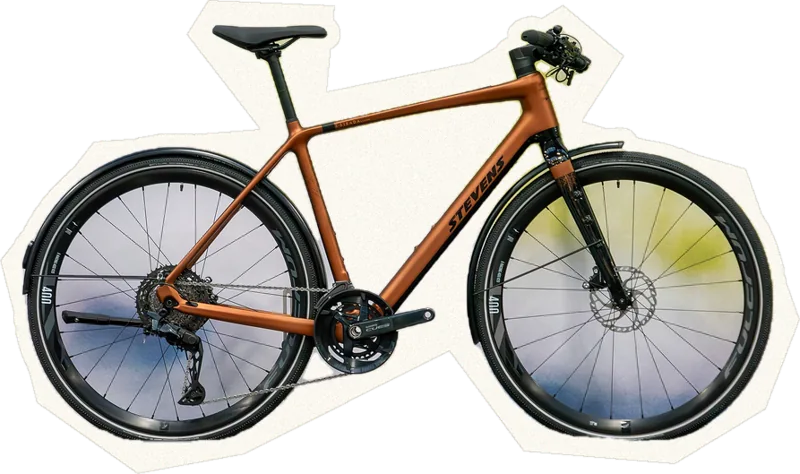
Hybrid bikes
Flat bars, comfy position, quick enough for fitness, tough enough for towpaths. The Swiss army knife.
17 models →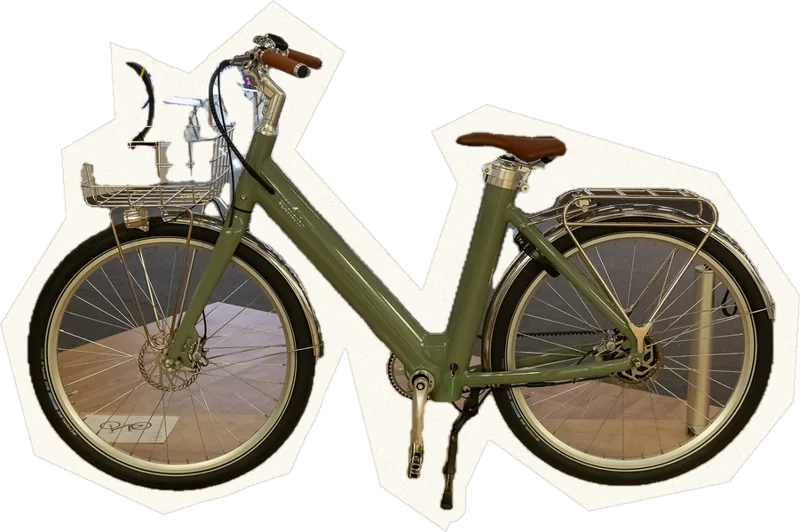
City bikes
Upright, low-maintenance and ready for real life: lights, mudguards, a rack and a ride in normal clothes.
22 models →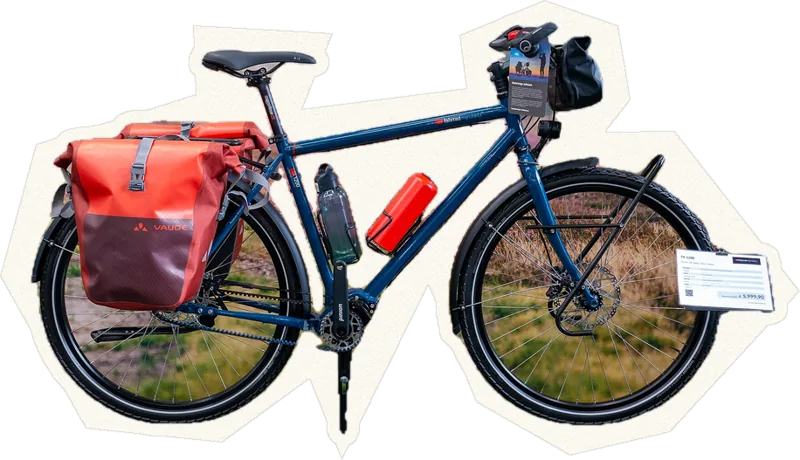
Touring bikes
A pack mule with manners. Steady, comfy, and happy carrying a tent to the other side of the continent.
6 models →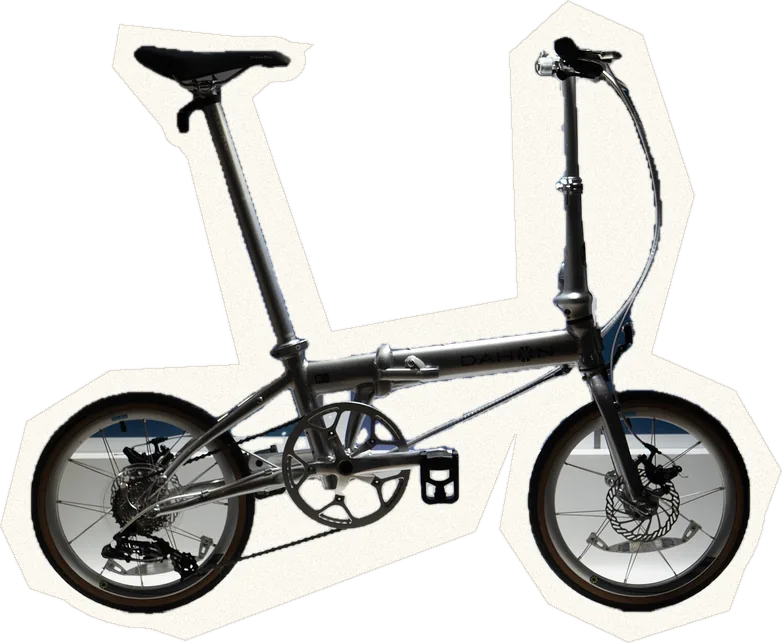
Folding bikes
Folds in seconds, lives under your desk, hops on trains. The ultimate small-flat hack.
15 models →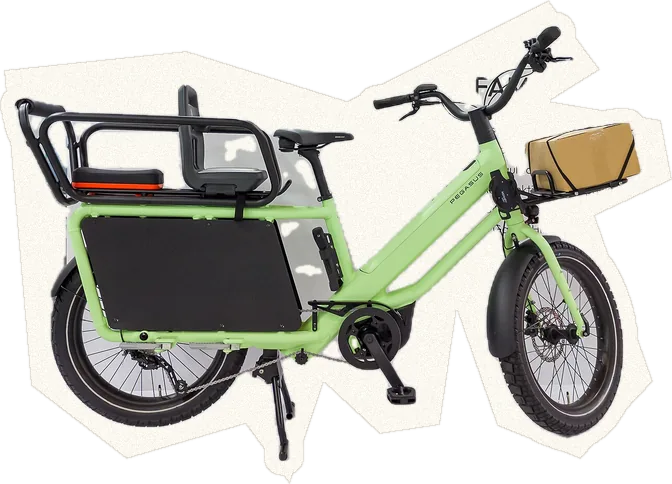
Cargo bikes
Kids, groceries, a dog, a crate of beer — the car-replacer. Almost always electric, and for good reason.
13 models →Choosing a bike: FAQ
What kind of bike should I buy?
It depends on where you ride. Mostly tarmac: a road bike. Tarmac and gravel: a gravel bike. City and commuting: a city or hybrid bike. Forest trails: a hardtail or full-suspension mountain bike. Carrying kids or shopping: an electric cargo bike. Taking your bike on trains or living in a small flat: a folding bike. The Pedal Oracle quiz asks seven questions and gives you a specific answer.
How much should I spend on my first bike?
Plan for about €/$500–1,000 for a reliable first bike, plus around €/$100–150 for a helmet, lights and a lock. Below €400 bikes are usually heavy and use parts that wear out quickly. Mid-range bikes (roughly €/$1,000–3,000) are the best value for people who ride regularly.
Is an e-bike worth it?
An e-bike is worth it if you ride in hilly areas, commute more than about 8 km, carry children or cargo, or are getting back into cycling. E-bikes typically cost €/$1,300–6,000, weigh 20–30 kg and need charging, so they are less practical if you have to carry the bike up stairs.
Gravel bike or road bike?
Choose a road bike if you ride almost only on smooth tarmac and want maximum speed. Choose a gravel bike if you want to ride tarmac and unpaved roads, carry luggage, or only want one drop-bar bike. For most people a gravel bike is the more versatile choice.
Hardtail or full-suspension mountain bike?
A hardtail is lighter, cheaper and easier to maintain, and is ideal for forest tracks and smoother trails, especially on budgets under €/$2,000. A full-suspension bike gives more grip, comfort and control on rough, rocky or steep trails.
What size bike do I need?
Bike sizes depend on the brand and the type of bike, so use the manufacturer's size chart with your height and, ideally, your inseam (measure barefoot from the floor to your crotch with a book pressed up between your legs). As a rough guide for a road or gravel bike: 160–168 cm (5′3″–5′6″) rides a size S, 167–178 cm (5′6″–5′10″) an M, 177–186 cm (5′10″–6′1″) an L. After the Pedal Oracle quiz you can enter your height and inseam to get the right size for each recommended bike. If you are between sizes, the smaller size is more agile and the larger more stable.
Let the Oracle decide
7 questions, 60 seconds, one clear answer.
Consult the Oracle →