⚡ E-bike guide · updated
Best Electric Road Bikes 2026
Drop bars, skinny tyres, pure speed. Made for tarmac, long rides and chasing your mates. Now with a motor.
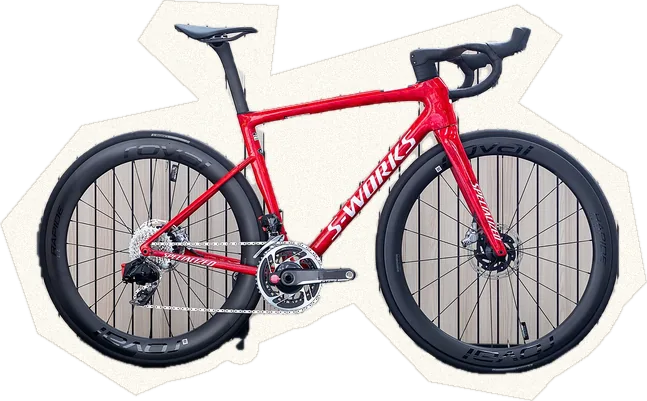
Electric Road Bikes
3 models · cheapest firstReveal Plus 105
Drop bars and tarmac miles, with a drivetrain ready to keep you rolling.
- Mahle X20 · 250 Wh
- Shimano 105
Reveal Plus Ultegra Di2
Drop bars and tarmac miles, with a drivetrain ready to keep you rolling.
- Shimano Ultegra Di2
Defy Advanced E+ Elite 0
Long roads and café stops: this one is keen to stretch its legs.
- Carbon
- SyncDrive Move Plus, Nabenmotor, 75Nm · 400 Wh
- SRAM RED AXS E1
- 12.2 kg
What to look for in a road e-bike
- A motor from an established maker (Bosch, Shimano, Yamaha, Brose, Specialized/Brose) — spare parts and service matter.
- Battery of 500 Wh or more if you ride hills or long distances; removable if you can't charge where you park.
- A torque sensor for natural, smooth assistance (cheaper cadence sensors feel on/off).
- Endurance geometry if you're new — a comfortable position beats a few watts of aero
- Disc brakes and clearance for at least 30 mm tyres
- Shimano 105 / SRAM Rival level gearing or better if your budget allows
New to the jargon? See the bike glossary.
Frequently asked questions
Is a road e-bike worth it?
Yes if you ride in hills, over longer distances, carry loads or want to arrive without sweating. Road e-bikes cost roughly €/$3,500–6,000 for good mid-range models and weigh several kilos more than a regular road bike.
How fast do e-bikes go in Europe and the US?
In the EU a pedelec assists up to 25 km/h with a 250 W motor and is treated like a normal bicycle; faster S-pedelecs (45 km/h) need insurance and a number plate. In the US most states use three classes: Class 1 pedal assist to 20 mph, Class 2 with a throttle to 20 mph, and Class 3 pedal assist to 28 mph.
Mid-drive or hub motor?
A mid-drive motor sits at the cranks and uses the bike's gears — better for hills and natural-feeling power. A hub motor sits in the wheel — simpler and cheaper, fine for flat city riding.
How big a battery do I need?
Around 400–500 Wh covers most commutes; 600–750 Wh is better for hilly rides, cargo and long days. Real range depends on assist level, weight, terrain and temperature.