E-bike guide · updated
Best Electric Touring Bikes 2026
A pack mule with manners. Steady, comfy, and happy carrying a tent to the other side of the continent. Now with a motor.
Electric Touring Bikes
22 models · cheapest first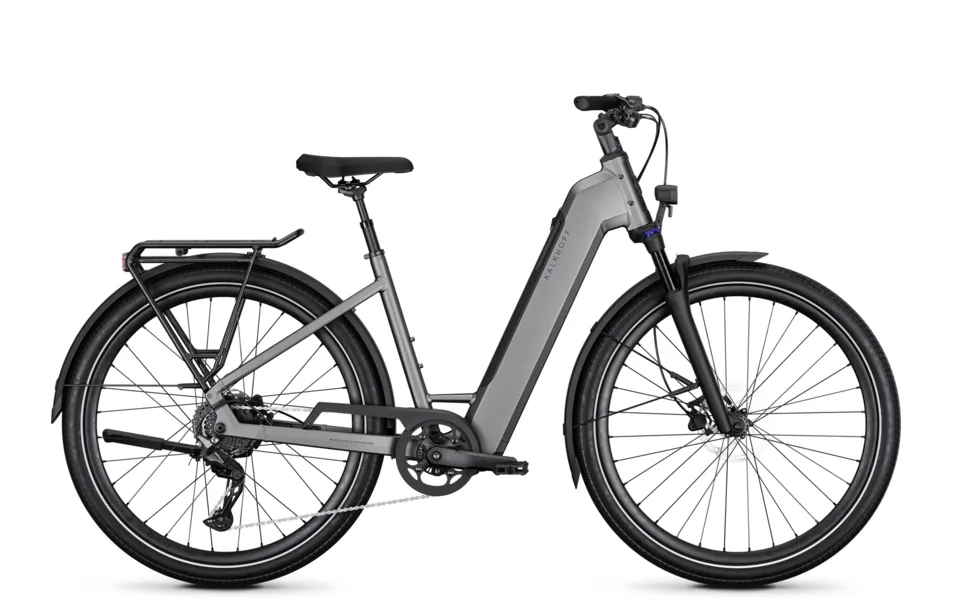 e-bike
Endeavour 1 Move Wave 360
- Aluminium
- Bosch Hub Line Smart System, 36 V / 250 W / 45 Nm · 360 Wh
- Shimano Cues 9 speed
e-bike
Endeavour 1 Move Wave 540
- Aluminium
- Bosch Hub Line Smart System, 36 V / 250 W / 45 Nm · 540 Wh
- Shimano Cues 9 speed
 e-bike
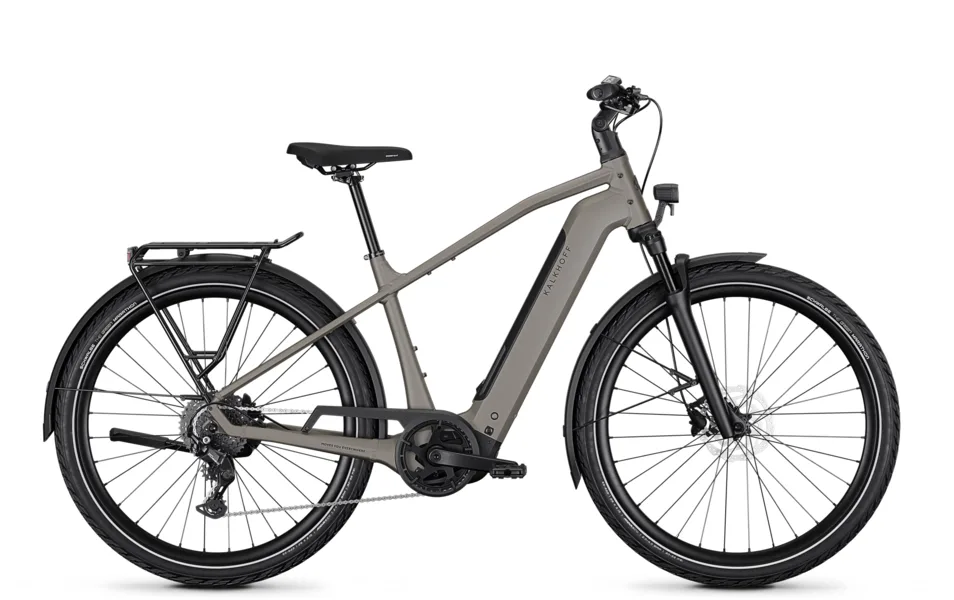
Endeavour 3 Season Diamond 540
- Aluminium
- Bosch Performance Line Smart System, 36 V / 250 W / 75 Nm · 540 Wh
- Shimano Cues, 9 speed
 e-bike
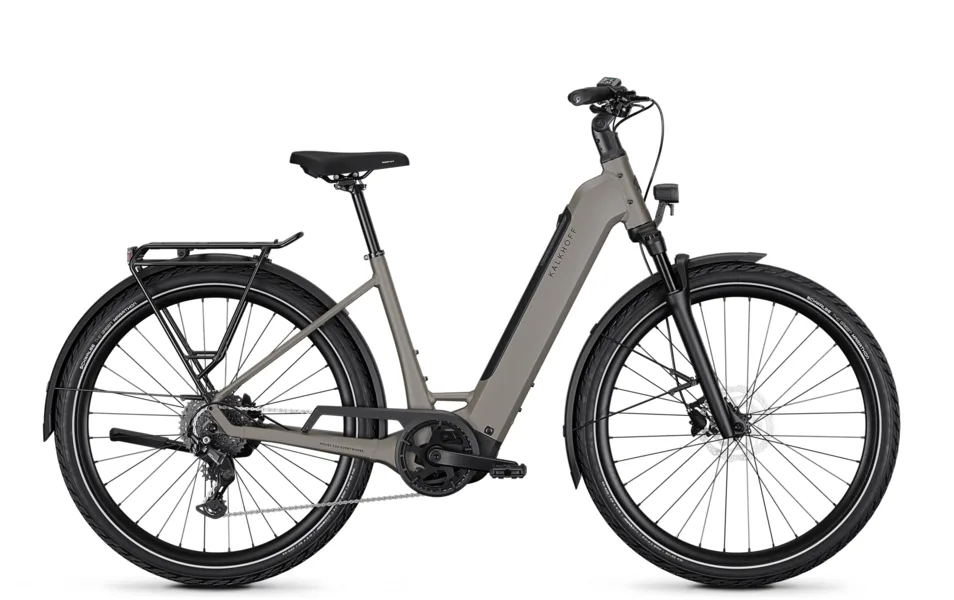
Endeavour 3 Season Wave 540
- Aluminium
- Bosch Performance Line Smart System, 36 V / 250 W / 75 Nm · 540 Wh
- Shimano Cues, 9 speed
 e-bike
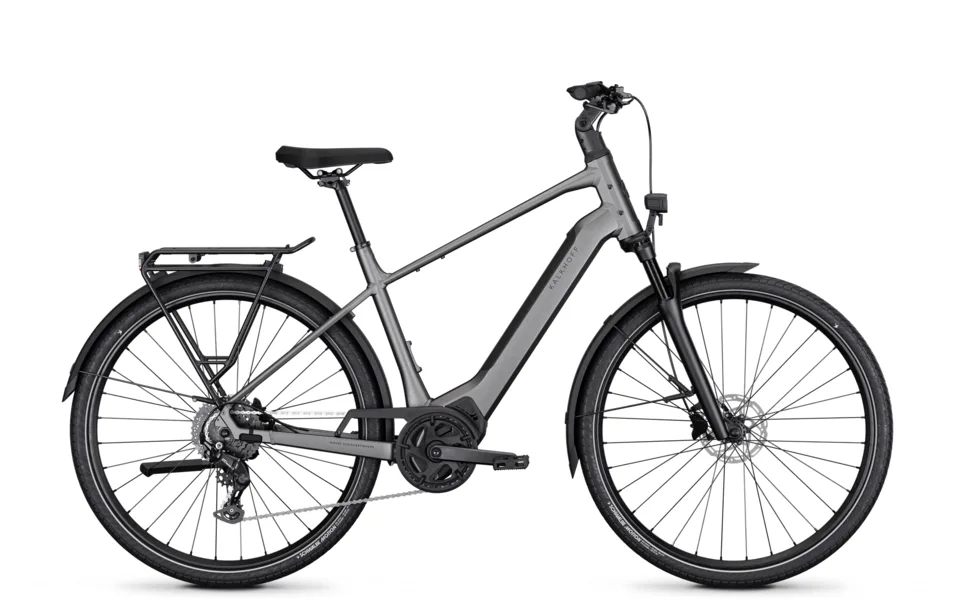
Endeavour L Season Diamond 400
- Aluminium
- Bosch Performance Line SX Smart System, 36 V / 250 W / 60 Nm · 400 Wh
- Shimano Cues 9-speed
 e-bike
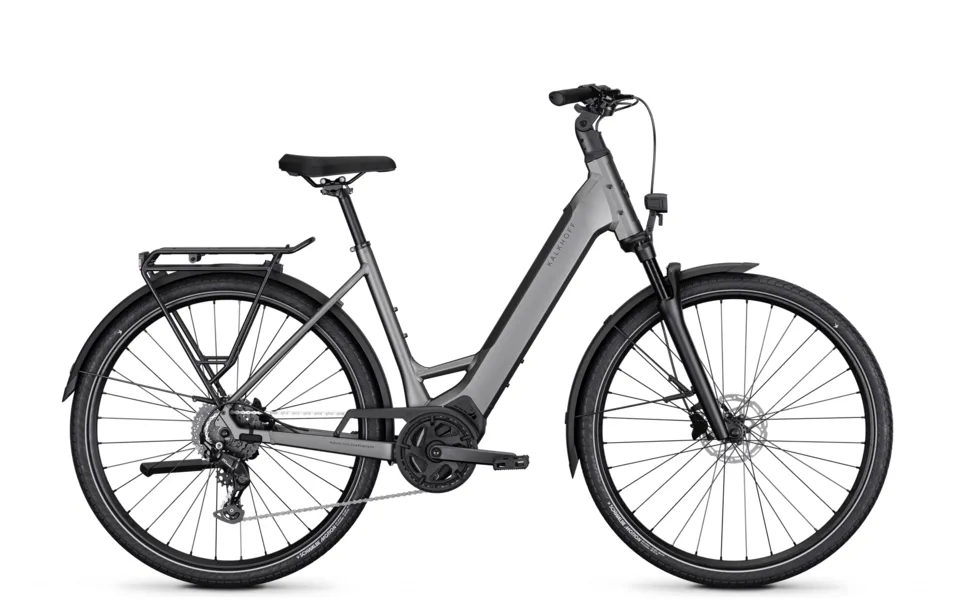
Endeavour L Season Wave 400
- Aluminium
- Bosch Performance Line SX Smart System, 36 V / 250 W / 60 Nm · 400 Wh
- Shimano Cues 9-speed
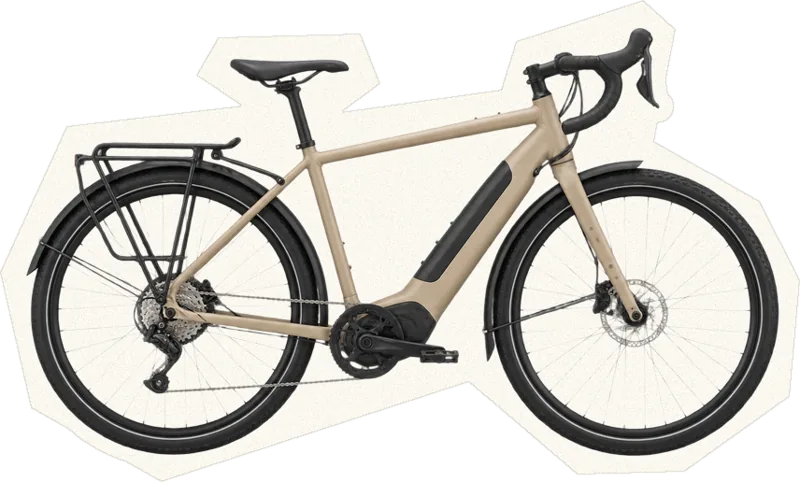 Example image
e-bike
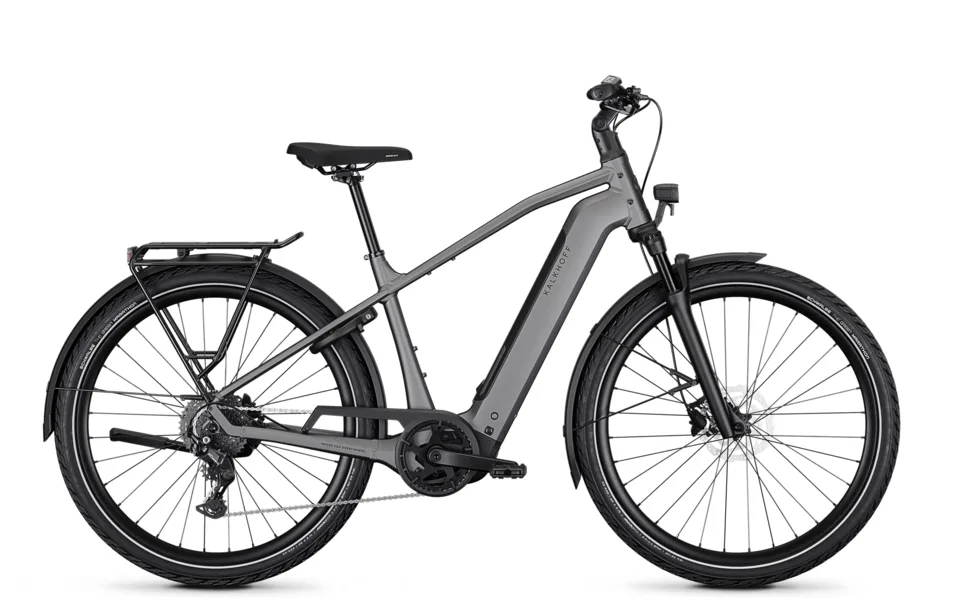
Touring Hybrid Pro 800
BIKE road-tested the Touring Hybrid Pro 800 and Consumentenbond tested a 2025 Pro 800.
- Aluminium
- Bosch Drive Unit Performance Line PX 90Nm (BDU34) · 800 Wh
- Shimano XT RD-M8200-SGS
- 27.0 kg
 e-bike
Endeavour 3 Move Diamond 600
- Aluminium
- Bosch Performance Line Smart System, 36 V / 250 W / 75 Nm · 600 Wh
- Shimano Cues, 9 speed
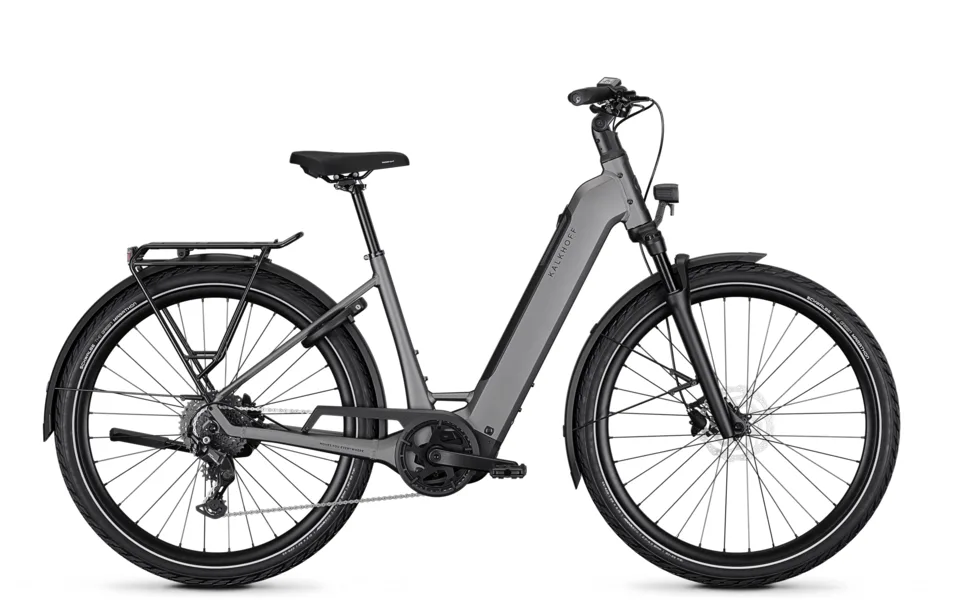 e-bike
Endeavour 3 Move Wave 600
- Aluminium
- Bosch Performance Line Smart System, 36 V / 250 W / 75 Nm · 600 Wh
- Shimano Cues, 9 speed
Example image
e-bike
Kathmandu Hybrid Pro 800 Easy Entry
Pack the panniers and give the map a little less authority.
- Aluminium
- Bosch Drive Unit Performance Line CX max. 120Nm (BDU38) · 800 Wh
- Shimano XT RD-M8200-SGS
- 30.3 kg
Example image
e-bike
Sub Sport 20 Wave
- Aluminium
- Bosch Performance Line PX · 720 Wh
- Shimano Cues
- 30.6 kg
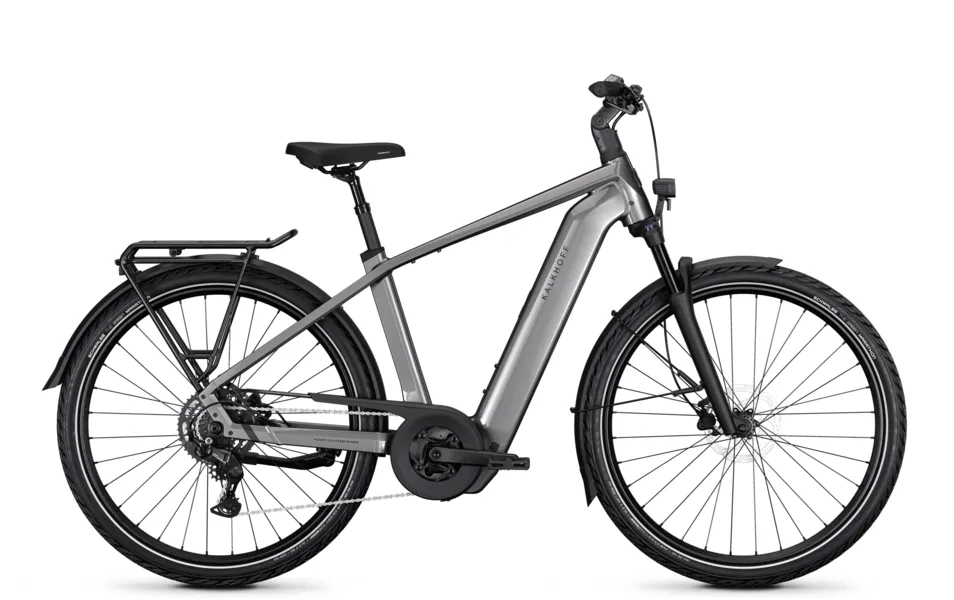 e-bike
Endeavour 5 Season Diamond 800
- Aluminium
- Bosch Performance Line PX Smart System, 36 V / 250 W / 90 Nm · 800 Wh
- Shimano Cues, 9-speed
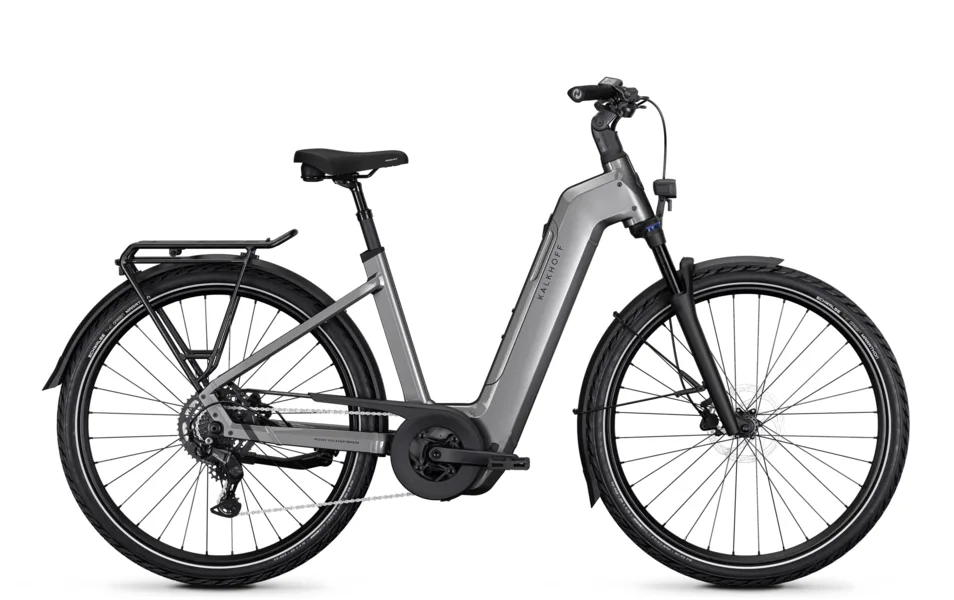 e-bike
Endeavour 5 Season Wave 800
- Aluminium
- Bosch Performance Line PX Smart System, 36 V / 250 W / 90 Nm · 800 Wh
- Shimano Cues, 9-speed
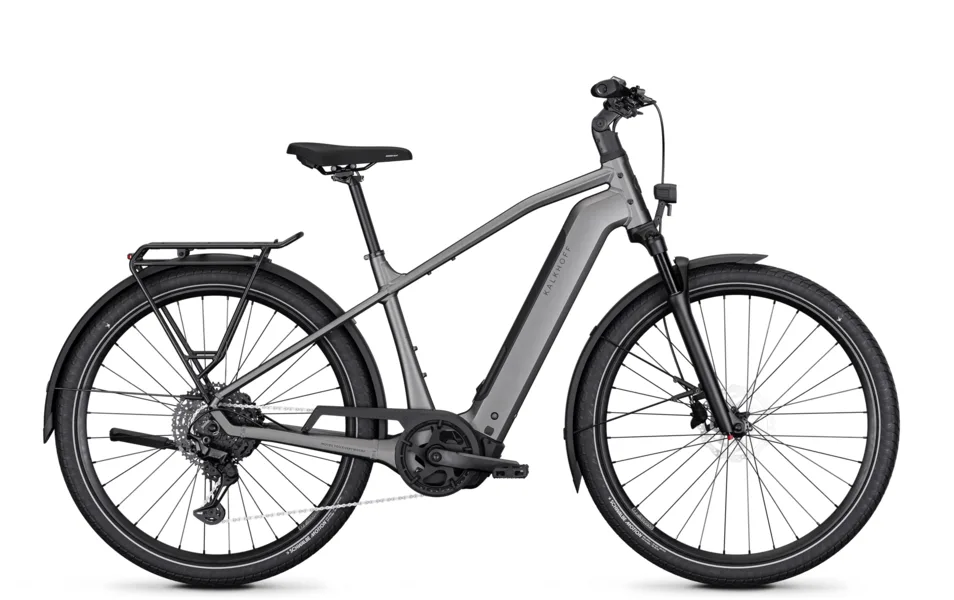 e-bike
Endeavour 3 Air Diamond 600
- Aluminium
- Bosch Performance Line CX Smart System, 36 V / 250 W / 120 Nm · 600 Wh
- 11-G Shimano Deore XT
 e-bike
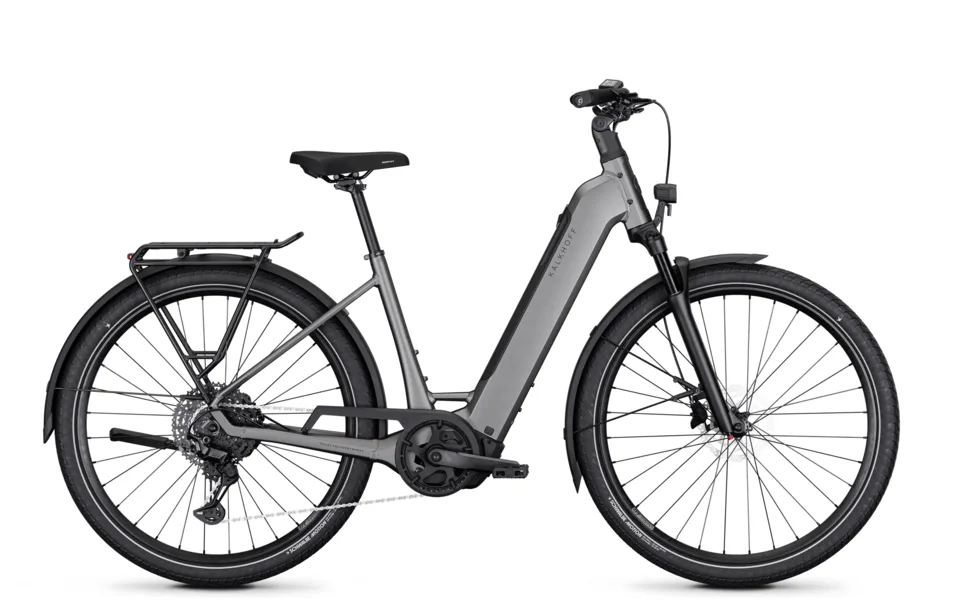
Endeavour 3 Air Wave 600
- Aluminium
- Bosch Performance Line CX Smart System, 36 V / 250 W / 120 Nm · 600 Wh
- 11-G Shimano Deore XT
 e-bike
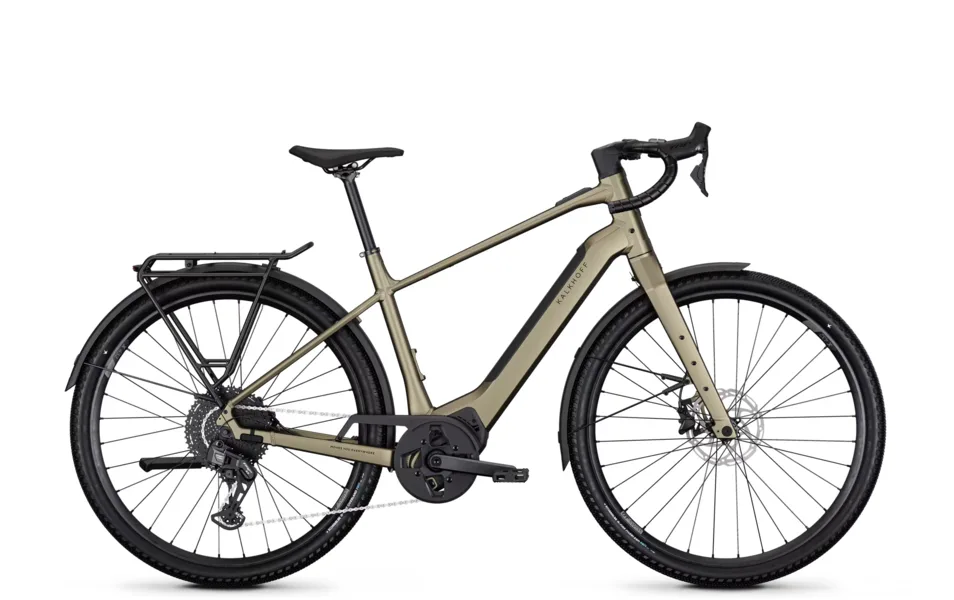
Endeavour L Touring Diamond 400
- Aluminium
- Bosch Performance Line SX Smart System, 36 V / 250 W / 60 Nm · 400 Wh
- Electric TRP E.A.S.I. A11 11-speed
 e-bike
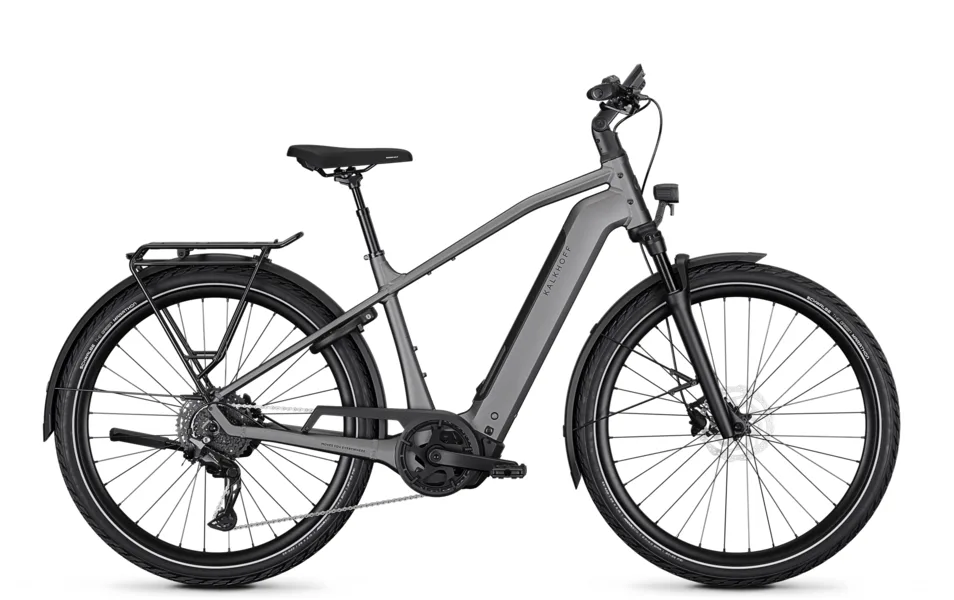
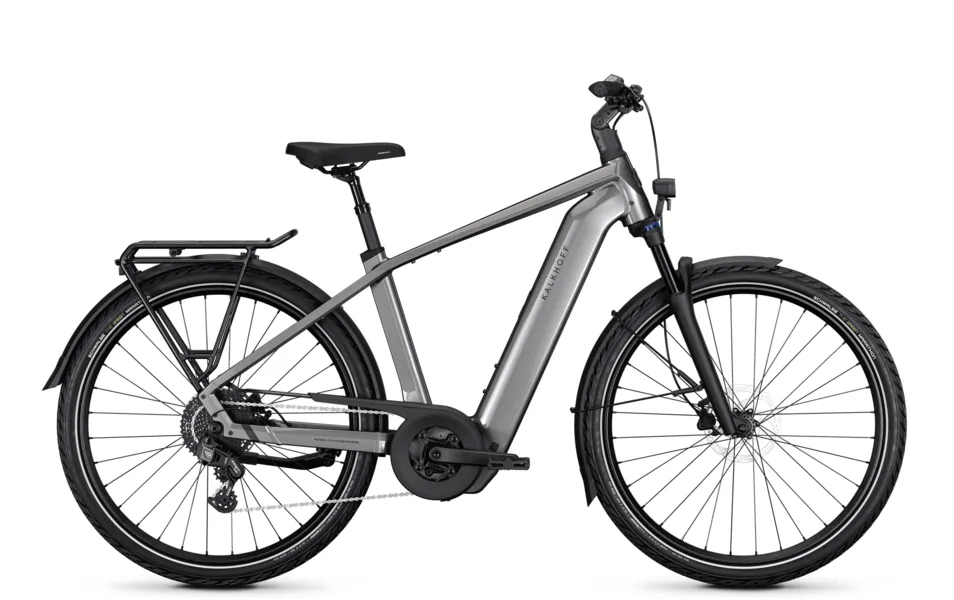
Endeavour 3 Excite Diamond 600
- Aluminium
- Bosch Performance Line CX Smart System, 36 V / 250 W / 100 Nm · 600 Wh
- Shimano Cues, 11-speed
 e-bike
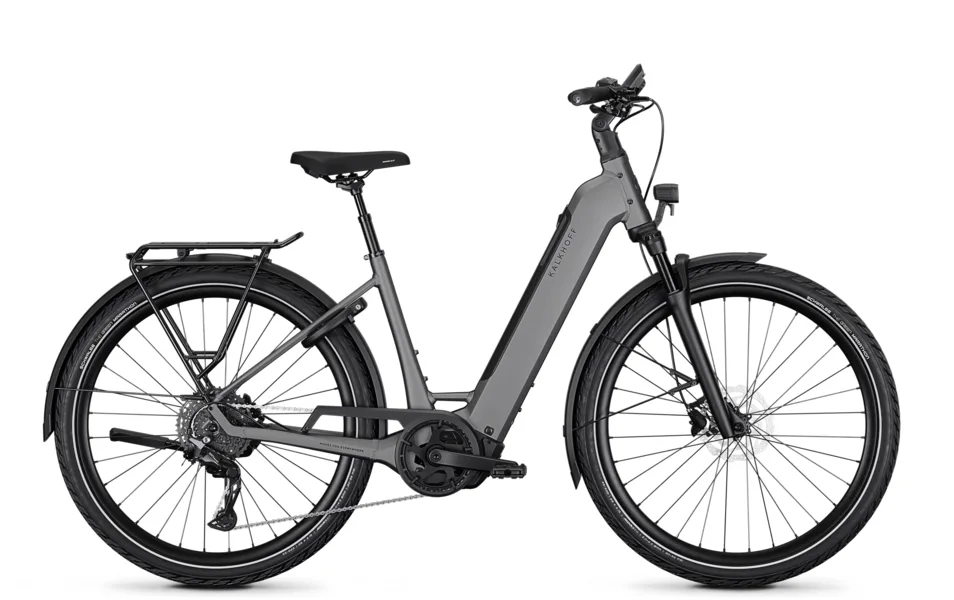
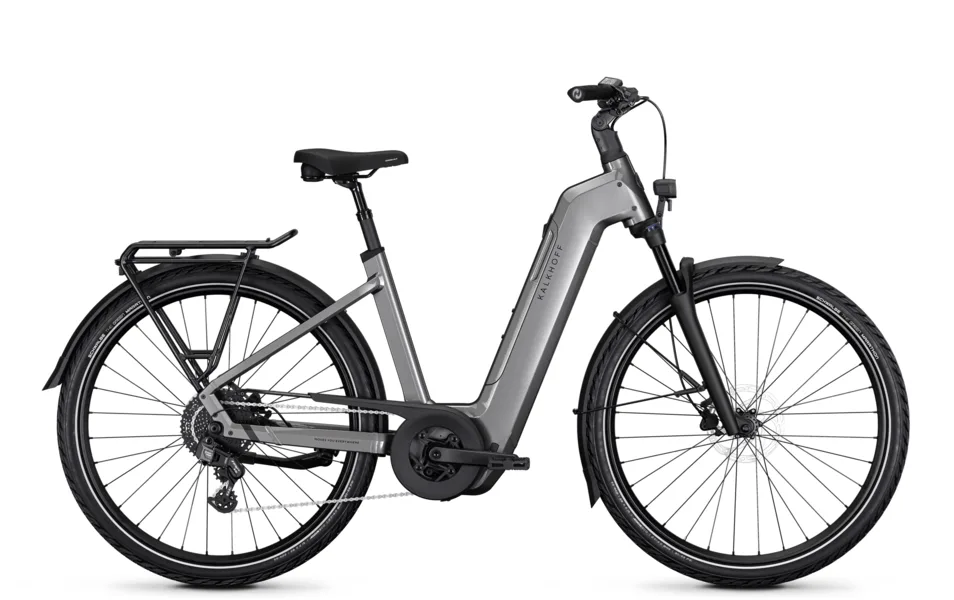
Endeavour 3 Excite Wave 600
- Aluminium
- Bosch Performance Line CX Smart System, 36 V / 250 W / 100 Nm · 600 Wh
- Shimano Cues, 11-speed
 e-bike
Endeavour 5 Auto Diamond 800
- Aluminium
- Bosch Performance Line CX Smart System, 36 V / 250 W / 120 Nm · 800 Wh
- Electric TRP E.A.S.I. A10 10-speed
 e-bike
Endeavour 5 Auto Wave 800
- Aluminium
- Bosch Performance Line CX Smart System, 36 V / 250 W / 120 Nm · 800 Wh
- Electric TRP E.A.S.I. A10 10-speed
 e-bike
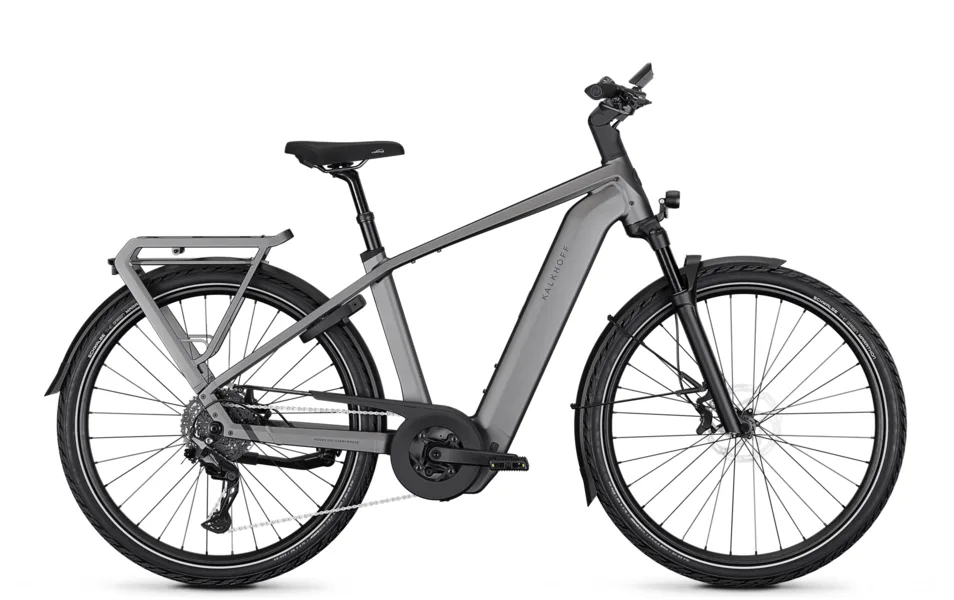
Endeavour 5+ Advance Diamond 800
- Aluminium
- Bosch Performance Line CX Smart System, 36 V / 250 W / 120 Nm · 800 Wh
- Shimano Cues, 10-speed
 e-bike
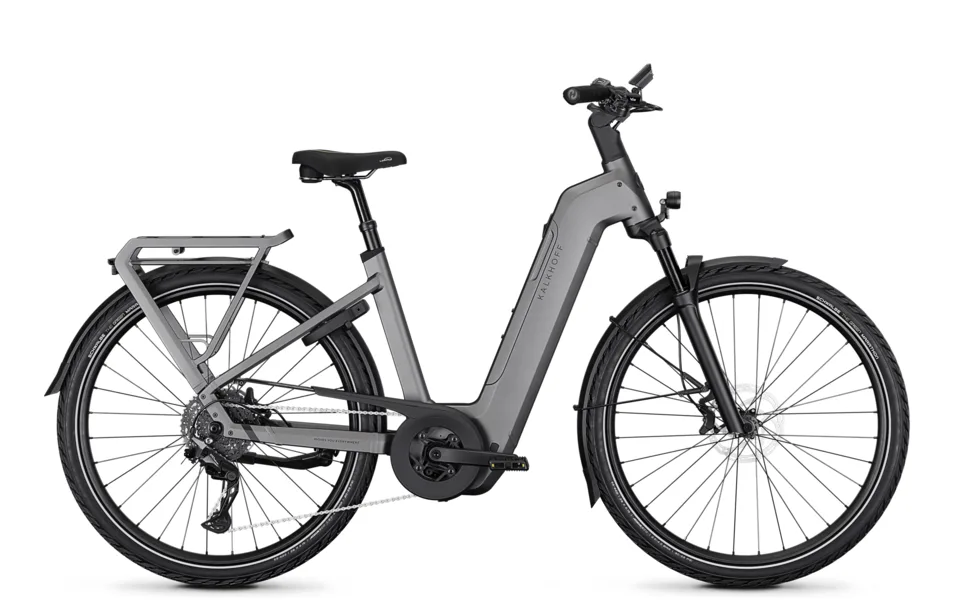
Endeavour 5+ Advance Wave 800
- Aluminium
- Bosch Performance Line CX Smart System, 36 V / 250 W / 120 Nm · 800 Wh
- Shimano Cues, 10-speed
What to look for in a touring e-bike
- A motor from an established maker (Bosch, Shimano, Yamaha, Brose, Specialized/Brose) — spare parts and service matter.
- Battery of 500 Wh or more if you ride hills or long distances; removable if you can't charge where you park.
- A torque sensor for natural, smooth assistance (cheaper cadence sensors feel on/off).
- Front and rear rack mounts
- Very low gearing
- Strong wheels with 36 spokes and wide tyres
New to the jargon? See the bike glossary.
Watch before you buy
All 20 e-bike videos → 10:3810 Things We Wish We'd Known About E-Bikes
 7:49eBike Primer: What’s the Difference Between Electric Bike Motors?
 5:52eBike Primer: Different Electric Bike Battery Types & How to Care for Batteries
Hand-picked from GCN and ElectricBikeReview. Videos play on our video page.
Frequently asked questions
Is a touring e-bike worth it?
Yes if you ride in hills, over longer distances, carry loads or want to arrive without sweating. Touring e-bikes cost roughly €/$3,000–5,000 for good mid-range models and weigh several kilos more than a regular touring bike.
How fast do e-bikes go in Europe and the US?
In the EU a pedelec assists up to 25 km/h with a 250 W motor and is treated like a normal bicycle; faster S-pedelecs (45 km/h) need insurance and a number plate. In the US most states use three classes: Class 1 pedal assist to 20 mph, Class 2 with a throttle to 20 mph, and Class 3 pedal assist to 28 mph.
Mid-drive or hub motor?
A mid-drive motor sits at the cranks and uses the bike's gears — better for hills and natural-feeling power. A hub motor sits in the wheel — simpler and cheaper, fine for flat city riding.
How big a battery do I need?
Around 400–500 Wh covers most commutes; 600–750 Wh is better for hilly rides, cargo and long days. Real range depends on assist level, weight, terrain and temperature.